
Buying Bulk Coco Peat Blocks Made Easy
- 5 days ago
- 4 min read
When it comes to sourcing quality growing mediums, bulk coco peat blocks have become a popular choice worldwide. Their eco-friendly nature, excellent water retention, and aeration properties make them ideal for agriculture and horticulture. However, buying these blocks in large quantities can sometimes feel overwhelming. I want to share practical tips and insights to make the process straightforward and efficient.
Understanding Bulk Coco Peat Blocks and Their Benefits
Before diving into the buying process, it’s important to understand what bulk coco peat blocks are and why they matter. Coco peat, also known as coir pith, is a natural fiber extracted from coconut husks. When compressed into blocks, it becomes easy to transport and store.
These blocks expand when soaked in water, providing a lightweight, porous medium perfect for plant roots. They improve soil aeration, retain moisture, and reduce the need for frequent watering. Plus, coco peat is sustainable and biodegradable, making it an excellent choice for environmentally conscious growers.
Key benefits include:
Water retention: Holds up to 8-9 times its weight in water.
Aeration: Prevents soil compaction and promotes healthy root growth.
pH neutral: Suitable for a wide range of plants.
Sustainability: Made from renewable coconut husks, reducing waste.
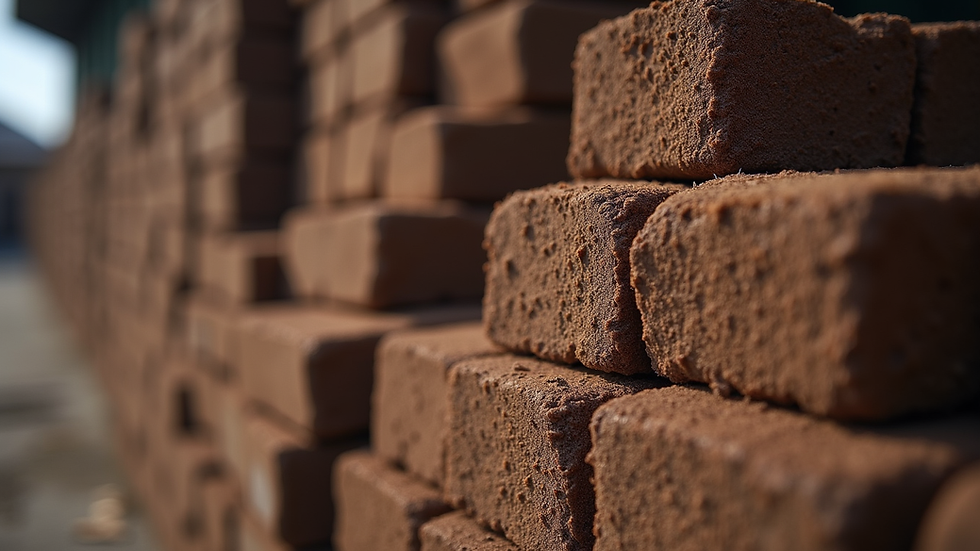
How to Choose the Right Bulk Coco Peat Blocks
Selecting the right bulk coco peat blocks depends on your specific needs and application. Here are some factors to consider:
1. Block Size and Weight
Blocks come in various sizes, typically ranging from 5 kg to 25 kg. Larger blocks are more economical for big operations but require more water and space to expand. Smaller blocks are easier to handle but may increase packaging and shipping costs.
2. Quality and Purity
Look for blocks that are free from salts, dust, and other contaminants. High-quality blocks should have a consistent texture and color. Some suppliers offer washed and buffered coco peat, which reduces salt content and improves plant compatibility.
3. Compression and Expansion Ratio
The compression ratio affects how much the block will expand once soaked. A good block should expand to at least 5-7 times its dry volume. This ensures you get maximum value and ease of use.
4. Supplier Reliability
Choose suppliers with a proven track record of delivering consistent quality. Reliable suppliers often provide certifications and lab test results to back their claims.
Tips for Buying Wholesale Coco Peat Blocks
Buying in bulk can save money and ensure a steady supply, but it requires careful planning. Here are some actionable recommendations:
Request samples: Before placing a large order, ask for samples to test the quality and expansion.
Compare prices: Don’t just look at the price per block. Consider shipping, taxes, and handling fees.
Check shipping options: Bulk coco peat blocks are heavy and bulky. Confirm the shipping method and delivery times.
Understand packaging: Blocks should be tightly wrapped to prevent moisture and contamination during transit.
Negotiate terms: Many suppliers offer discounts for large orders or long-term contracts.
If you want to explore options, consider checking out wholesale coco peat blocks from trusted suppliers who specialize in sustainable and high-quality products.

How to Store and Use Bulk Coco Peat Blocks Effectively
Once you receive your bulk coco peat blocks, proper storage and preparation are key to maximizing their benefits.
Storage Tips
Keep dry: Store blocks in a dry, ventilated area to prevent mold and degradation.
Avoid direct sunlight: Prolonged exposure can dry out the blocks excessively.
Stack carefully: Avoid crushing blocks by stacking them evenly.
Preparing Blocks for Use
Hydrate properly: Soak blocks in clean water for 8-12 hours. Use a large container to allow full expansion.
Break apart gently: After soaking, fluff the coco peat to loosen the fibers.
Mix if needed: Combine with other substrates like perlite or compost for specific growing needs.
Using these steps ensures your plants get the best growing environment and helps you avoid common mistakes like under-hydrating or compacting the medium.
Why Sustainable Sourcing Matters for Bulk Coco Peat Blocks
Sustainability is more than a buzzword in agriculture today. Choosing sustainably sourced coco peat blocks supports environmental health and long-term business success.
Coco peat is a byproduct of the coconut industry, which means it uses waste material that would otherwise be discarded. By buying from suppliers committed to eco-friendly practices, you help reduce landfill waste and promote renewable resources.
Look for suppliers who:
Use environmentally responsible harvesting methods.
Avoid harmful chemicals in processing.
Support fair labor practices in coconut farming communities.
Sustainable sourcing aligns with global trends toward greener agriculture and can enhance your brand’s reputation in international markets.
Final Thoughts on Buying Bulk Coco Peat Blocks
Navigating the world of bulk coco peat blocks doesn’t have to be complicated. By understanding the product, choosing the right supplier, and following best practices for storage and use, you can secure a reliable, high-quality growing medium that supports your agricultural goals.
Remember to evaluate your needs carefully, request samples, and consider sustainability in your purchasing decisions. With these steps, buying wholesale coco peat blocks becomes a smooth and rewarding experience.
Investing in quality coco peat blocks is investing in healthier plants and a greener future. Happy growing!


Comments