
Effective Agricultural Use of Ziraa Coir Blocks
- 3 days ago
- 3 min read
When it comes to sustainable agriculture, finding the right growing medium is crucial. Over the years, I have explored various options, but one product that consistently stands out is Ziraa coir blocks. These blocks offer a natural, eco-friendly alternative to traditional substrates, and their benefits extend across multiple agricultural applications. In this post, I will share insights into how Ziraa coir blocks can transform your agricultural practices, improve plant health, and support sustainable growth.
Understanding Ziraa Coir Blocks Use in Agriculture
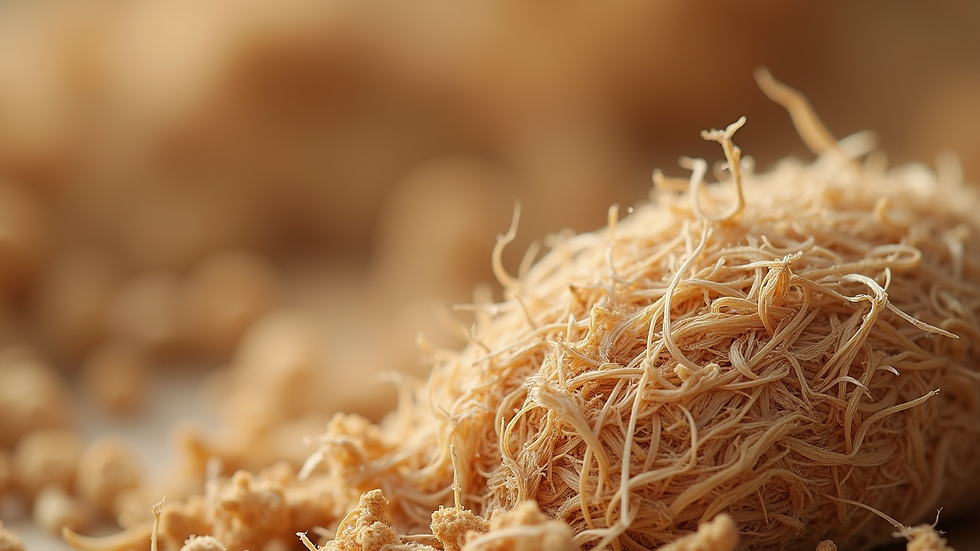
Ziraa coir blocks are compressed blocks made from coconut husk fibers, commonly known as coir. This material is renewable, biodegradable, and highly effective as a growing medium. When hydrated, these blocks expand significantly, providing a lightweight and porous substrate ideal for plant roots.
The use of Ziraa coir blocks in agriculture is gaining momentum because they:
Retain moisture efficiently, reducing the need for frequent watering.
Offer excellent aeration, promoting healthy root development.
Are free from harmful chemicals and pathogens.
Support sustainable farming by utilizing a natural byproduct of the coconut industry.
For growers, this means healthier plants and potentially higher yields without compromising environmental responsibility.

Practical Applications of Ziraa Coir Blocks Use
Ziraa coir blocks are versatile and can be used in various agricultural settings. Here are some practical ways to incorporate them:
Seed Starting and Propagation
The fine texture of coir makes it perfect for seed germination. It holds moisture well, ensuring seeds stay hydrated without becoming waterlogged. Using coir blocks for propagation trays can improve germination rates and reduce damping-off disease.
Soilless Cultivation
For hydroponic or soilless systems, coir blocks provide a stable and inert medium. They support root anchorage while allowing nutrient solutions to flow freely. This makes them ideal for growing vegetables, herbs, and flowers in controlled environments.
Soil Amendment
When mixed with soil, coir improves soil structure by increasing aeration and water retention. This is especially beneficial in sandy or clay-heavy soils, where water drainage or compaction can be problematic.
Mulching
Coir can be used as mulch to conserve soil moisture, suppress weeds, and regulate soil temperature. It breaks down slowly, adding organic matter to the soil over time.
By integrating Ziraa coir blocks into these applications, growers can optimize plant growth and resource use.
Why Choose Ziraa Coir Blocks Private Limited?
In my experience, not all coir products are created equal. The quality and processing of coir blocks significantly impact their performance. That’s why I recommend sourcing from reputable suppliers like ziraa coir blocks private limited.
This company specializes in producing high-quality, eco-friendly coir blocks that meet international standards. Their blocks are:
Uniform in size and density for consistent results.
Free from salts and contaminants that can harm plants.
Produced using sustainable methods that support environmental conservation.
Choosing a trusted supplier ensures you get a product that delivers on its promises and supports your agricultural goals.

Tips for Maximizing the Benefits of Ziraa Coir Blocks
To get the most out of Ziraa coir blocks, consider these actionable recommendations:
Proper Hydration: Always soak the blocks in clean water before use. This allows them to expand fully and become ready for planting.
Nutrient Management: Coir is inert and does not provide nutrients. Supplement with balanced fertilizers tailored to your crop’s needs.
pH Monitoring: Coir typically has a neutral to slightly acidic pH, which suits most plants. However, regular pH checks help maintain optimal growing conditions.
Reuse and Recycling: After a growing cycle, coir can often be reused or composted, reducing waste and lowering costs.
Storage: Keep dry blocks in a cool, dry place to prevent mold growth and degradation.
By following these tips, you can enhance plant health and improve the sustainability of your operations.
Expanding Global Reach with Sustainable Solutions
The agricultural industry is evolving, with increasing demand for sustainable and eco-friendly products. Ziraa coir blocks align perfectly with this trend. Their renewable nature and excellent performance make them a preferred choice for international importers, growers, and distributors looking to adopt greener practices.
As the market grows, companies like ziraa coir blocks private limited are expanding their reach to meet global demand. This not only supports sustainable agriculture worldwide but also helps businesses build a reputation for quality and environmental responsibility.
If you are considering a switch to sustainable substrates, Ziraa coir blocks offer a reliable and effective solution that benefits both your crops and the planet.
By integrating Ziraa coir blocks into your agricultural practices, you embrace a future where productivity and sustainability go hand in hand. Whether you are starting seeds, growing hydroponically, or improving soil health, these blocks provide a natural, efficient, and eco-friendly medium that supports robust plant growth. I encourage you to explore their potential and see the difference they can make in your operations.


Comments