
Maximize Sustainability with Sustainable Coco Coir Substrate
- Jun 30
- 4 min read
When it comes to sustainable agriculture and horticulture, choosing the right growing medium is crucial. Sustainable coco coir substrate has emerged as a popular choice for many growers and distributors worldwide. It offers a renewable, biodegradable, and efficient alternative to traditional substrates like peat moss or rock wool. In this post, I will share insights on how sustainable coco coir substrate can help maximize sustainability in your operations, along with practical tips for sourcing and using it effectively.
Understanding Sustainable Coco Coir Substrate
Sustainable coco coir substrate is made from the fibrous husk of coconut shells. This byproduct of the coconut industry is processed into a versatile growing medium that retains moisture well, provides excellent aeration, and supports healthy root development. Unlike peat moss, which takes thousands of years to form, coco coir is a renewable resource harvested annually, making it a more sustainable option.
Using sustainable coco coir substrate means you are supporting a circular economy. The husks, which would otherwise be discarded or burned, are transformed into a valuable agricultural input. This reduces waste and lowers the environmental footprint of your growing operations.
Some key benefits of sustainable coco coir substrate include:
Water retention: Holds water efficiently, reducing irrigation needs.
Aeration: Promotes healthy root oxygenation.
pH neutrality: Provides a balanced environment for nutrient uptake.
Biodegradability: Breaks down naturally without harming the soil.
Renewability: Derived from a fast-growing, renewable resource.
By integrating sustainable coco coir substrate into your supply chain, you can enhance your sustainability credentials and meet the growing demand for eco-conscious products.

How to Source Sustainable Coco Coir Substrate Responsibly
Sourcing sustainable coco coir substrate requires attention to quality, environmental impact, and supplier practices. Here are some practical steps to ensure you get the best product while supporting sustainability:
Choose certified suppliers: Look for suppliers who follow sustainable harvesting and processing methods. Certifications or third-party audits can provide assurance.
Verify processing methods: The substrate should be washed and buffered to remove excess salts and impurities, ensuring it is safe for plants.
Request product specifications: Check for consistent particle size, moisture content, and pH levels to match your crop requirements.
Consider packaging: Opt for suppliers who use recyclable or minimal packaging to reduce waste.
Evaluate logistics: Efficient shipping routes and bulk orders can lower carbon emissions associated with transport.
By partnering with reputable suppliers, you can secure high-quality sustainable coco coir substrate that aligns with your environmental goals.
Is Coco Coir Environmentally Friendly?
Many wonder if coco coir is truly environmentally friendly. The answer is generally yes, but with some considerations.
Coco coir is a byproduct of coconut farming, which means it utilizes waste material that might otherwise be discarded. This reduces landfill use and pollution. Additionally, coco coir is biodegradable and compostable, unlike synthetic substrates.
However, environmental friendliness depends on how the coir is processed and transported. Some processing methods use large amounts of water or chemicals, which can impact local ecosystems. Also, shipping coir internationally can contribute to carbon emissions.
To maximize environmental benefits:
Choose suppliers who use eco-friendly processing techniques.
Support local or regional producers when possible to reduce transport emissions.
Use coco coir in combination with organic fertilizers and sustainable practices.
Overall, sustainable coco coir substrate offers a more eco-friendly alternative to many conventional growing media, especially when sourced and used responsibly.
Practical Tips for Using Sustainable Coco Coir Substrate
To get the most out of sustainable coco coir substrate, consider these actionable recommendations:
Pre-soak and buffer: Before use, soak the coir in water with calcium and magnesium supplements to balance nutrients and reduce salt content.
Monitor pH regularly: Although coco coir is near neutral, pH can shift during use. Regular testing helps maintain optimal growing conditions.
Combine with other amendments: Mixing coir with compost or perlite can improve nutrient availability and drainage.
Recycle and reuse: After a growing cycle, coco coir can often be reused with proper treatment, reducing waste and costs.
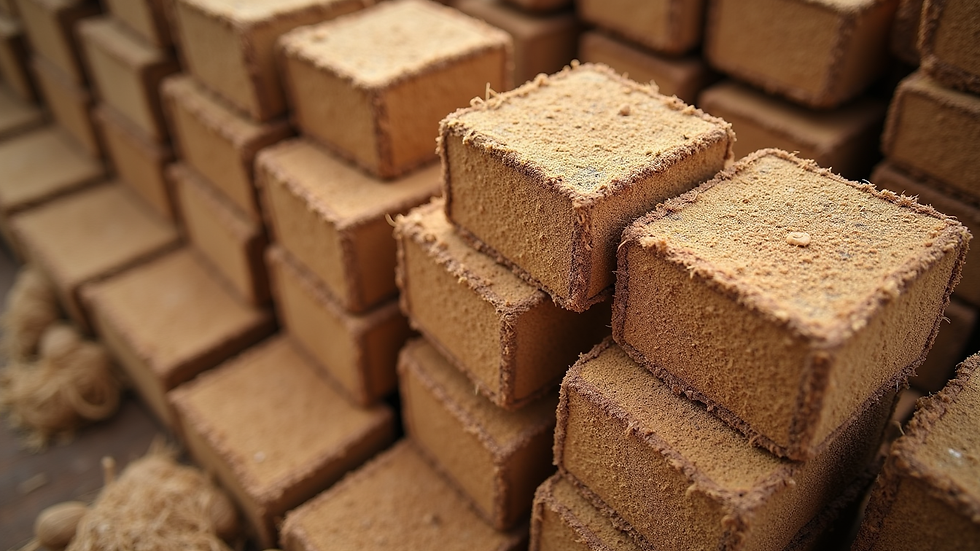
Store properly: Keep coir blocks dry and protected from contamination to preserve quality.
By following these tips, you can enhance plant health, reduce input costs, and support sustainable growing practices.
Expanding Global Reach with Sustainable Coco Coir Substrate
For businesses aiming to expand their international presence, sustainable coco coir substrate offers a compelling product to meet the rising demand for eco-friendly agricultural inputs. As global awareness of environmental issues grows, importers and distributors seek reliable suppliers who prioritize sustainability and quality.
To maximize your market impact:
Highlight the sustainability benefits of your coco coir products.
Provide detailed product information and certifications.
Offer flexible packaging and shipping options to accommodate diverse markets.
Educate customers on best practices for using coco coir.
Build partnerships with growers who value sustainable solutions.
By positioning your brand as a leader in sustainable coco coir substrate, you can attract new clients and strengthen your reputation worldwide.
Incorporating eco friendly coco coir into your product line not only supports environmental goals but also aligns with the evolving preferences of growers and distributors globally.
Sustainable coco coir substrate is more than just a growing medium - it is a pathway to greener, more responsible agriculture. By understanding its benefits, sourcing it wisely, and using it effectively, you can maximize sustainability in your operations and contribute to a healthier planet.


Comments