
Top Suppliers of Low EC Coco Coir Providers
- 1 day ago
- 4 min read
When it comes to sustainable and efficient growing mediums, coco coir has become a popular choice worldwide. Among its various types, low EC coco coir stands out for its superior quality and suitability for sensitive plants. Finding reliable suppliers of this product is crucial for anyone involved in agriculture, horticulture, or substrate distribution. In this post, I will share insights into the top suppliers of low EC coco coir providers, explain what makes this product special, and offer practical advice on selecting the best source for your needs.
Leading Low EC Coco Coir Providers in the Market
The demand for low EC coco coir has surged as growers seek substrates that promote healthy root development without the risk of salt buildup. Several companies have risen to meet this demand by offering high-quality, eco-friendly coco coir products. These providers focus on sustainable harvesting and processing methods to ensure their coco coir maintains a low electrical conductivity (EC) level, which is essential for optimal plant growth.
When choosing a supplier, consider factors such as product consistency, certifications, and the ability to meet large-scale orders. Many top providers also offer customized packaging and delivery options to accommodate international importers and distributors. For example, some suppliers provide compressed coir blocks that are easy to transport and expand upon hydration, reducing shipping costs and storage space.

What is Low EC Coco Coir?
Low EC coco coir refers to coconut fiber substrate that has been carefully processed to reduce its electrical conductivity. EC measures the salt concentration in the growing medium, and high EC levels can harm plants by causing nutrient imbalances or root damage. By maintaining a low EC, this type of coco coir ensures a healthier environment for seedlings and mature plants alike.
The process to achieve low EC involves thorough washing and buffering of the raw coconut husk fibers. This removes excess salts and impurities, resulting in a cleaner, more neutral substrate. Low EC coco coir is especially favored in hydroponics and organic farming because it supports nutrient uptake without introducing unwanted chemicals.
Using low EC coco coir can improve water retention, aeration, and root oxygenation, all of which contribute to stronger plant growth. It is also biodegradable and renewable, making it an environmentally responsible choice.
How to Identify a Reliable Low EC Coco Coir Supplier
Finding a trustworthy low ec coco coir supplier is essential for maintaining the quality of your growing medium. Here are some practical tips to help you identify the best suppliers:
Check Product Specifications: Look for detailed information on EC levels, pH balance, and fiber composition. Reliable suppliers will provide lab test results or certifications.
Request Samples: Before committing to a large order, ask for samples to test the product’s quality and suitability for your crops.
Evaluate Sustainability Practices: Choose suppliers who prioritize eco-friendly harvesting and processing methods. This supports long-term environmental health.
Assess Customer Support: Good communication and after-sales service are important, especially for international transactions.
Review Delivery Capabilities: Confirm that the supplier can handle your order volume and deliver on time, considering customs and shipping logistics.
By following these steps, you can ensure that your source of low EC coco coir meets your operational and quality standards.
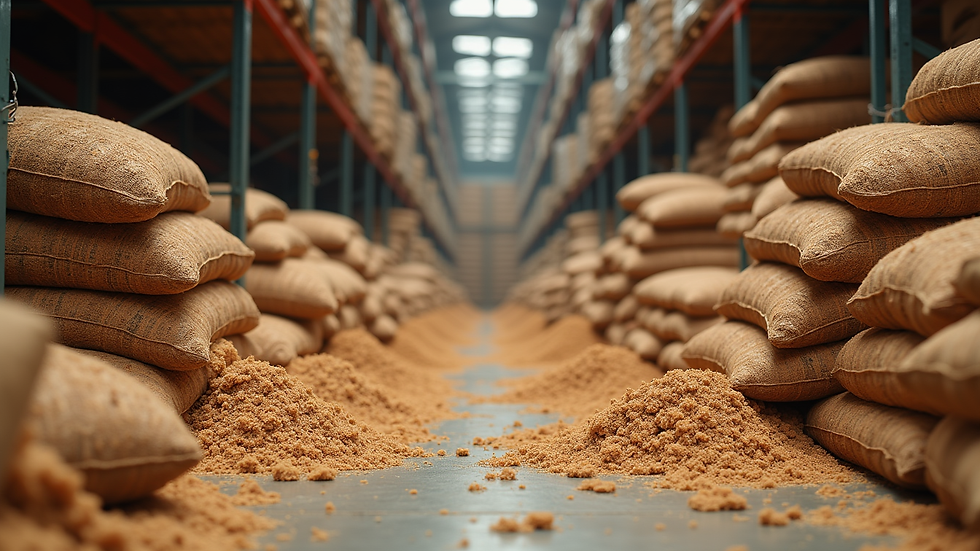
Benefits of Partnering with Established Low EC Coco Coir Providers
Working with established suppliers offers several advantages. First, they have refined their production processes to consistently deliver low EC coco coir that meets industry standards. This reliability reduces the risk of crop failure due to substrate issues.
Second, experienced providers often have a global distribution network, which means they can supply products efficiently to various regions. This is particularly important for international importers who need timely shipments and clear documentation.
Third, reputable suppliers invest in research and development to improve product quality and sustainability. Partnering with such companies aligns your business with innovation and environmental responsibility.
Finally, established providers usually offer a range of coco coir products, including grow bags, mats, and blocks, allowing you to diversify your offerings or find the perfect fit for your specific application.
Tips for Maximizing the Use of Low EC Coco Coir in Your Operations
Once you have sourced high-quality low EC coco coir, it’s important to use it effectively to get the best results. Here are some actionable recommendations:
Pre-Soak the Coir: Hydrate the coir thoroughly before use to ensure even moisture distribution.
Monitor Nutrient Levels: Since low EC coco coir has minimal salts, adjust your nutrient solutions accordingly to avoid deficiencies.
Maintain Proper Drainage: Although coco coir retains water well, ensure your containers or beds have adequate drainage to prevent waterlogging.
Rotate or Replace Substrate: Over time, coco coir can break down. Regularly refresh or replace it to maintain optimal growing conditions.
Combine with Other Media: For certain crops, mixing coco coir with perlite or vermiculite can enhance aeration and drainage.
By applying these practices, you can maximize the benefits of low EC coco coir and support healthy, vigorous plant growth.
Finding the right low ec coco coir supplier is a key step toward sustainable and productive cultivation. With the growing emphasis on eco-friendly agriculture, partnering with top providers who prioritize quality and environmental care will help you stay ahead in the market. Whether you are importing, growing, or distributing, investing in premium low EC coco coir products is a smart choice for long-term success.


Comments