
Understanding Coco Coir Fiber Pricing: A Comprehensive Guide
- Jul 13
- 4 min read
When it comes to sustainable agricultural and horticultural solutions, coco coir fiber has become a popular choice worldwide. Its eco-friendly nature and excellent water retention properties make it a preferred substrate for growers, importers, and distributors alike. However, understanding the pricing of coco coir fiber bales can be a bit tricky. In this post, I will walk you through the key factors that influence coco coir fiber pricing, helping you make informed decisions whether you are sourcing for large-scale operations or retail distribution.
Factors Influencing Coco Coir Fiber Pricing
Pricing for coco coir fiber bales depends on several important factors. First, the quality of the fiber plays a significant role. High-quality fiber that is clean, well-processed, and free from dust or contaminants commands a higher price. This is because such fiber performs better in agricultural applications, providing better aeration and moisture retention.
Second, the source and processing method affect the cost. Coir fiber extracted from mature coconut husks and processed using eco-friendly methods tends to be more expensive. This is due to the labor and technology involved in ensuring the fiber is sustainable and consistent in quality.
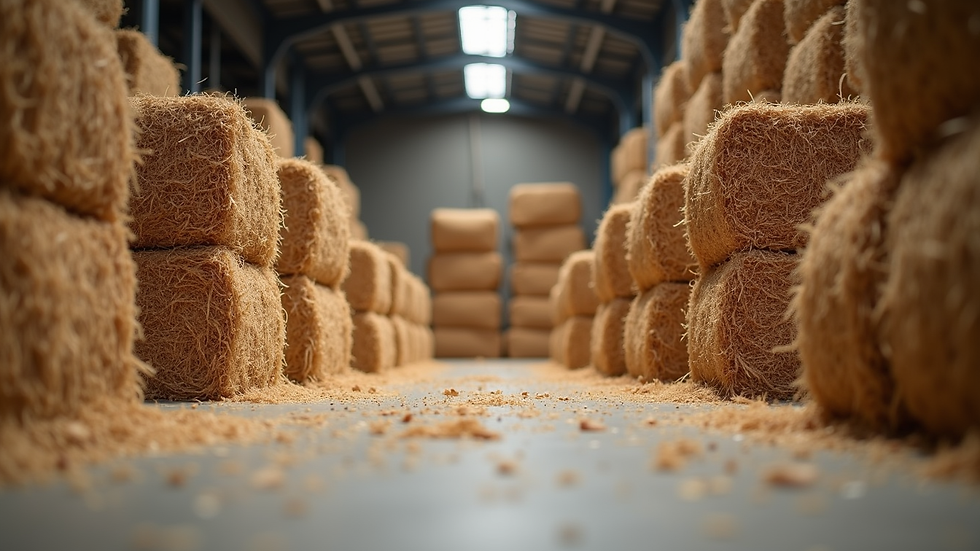
Third, bale size and density influence pricing. Larger, denser bales offer better value per unit weight but may have higher upfront costs. Buyers should consider their storage and handling capabilities when choosing bale sizes.
Finally, market demand and supply dynamics impact prices. Seasonal fluctuations in coconut harvests or changes in global demand for sustainable substrates can cause price variations.

Understanding Coco Coir Fiber Pricing in Detail
When discussing coco coir fiber pricing, it’s essential to break down the components that contribute to the final cost. Here are some practical points to consider:
Raw Material Cost: The price of raw coconut husks varies by region and season. Countries with abundant coconut production typically offer more competitive prices.
Processing and Treatment: Fiber that undergoes washing, drying, and grading will cost more but ensures better quality and longevity.
Transportation and Logistics: Shipping bulky bales internationally adds to the cost. Efficient logistics can reduce expenses, but import duties and taxes may apply depending on the destination.
Packaging: Proper packaging protects the fiber during transit and storage. Compressed bales reduce volume and shipping costs but require machinery to decompress.
For example, a 25 kg bale of premium-grade coco coir fiber from a well-established supplier might cost more upfront but will save money in the long run due to its durability and performance.
If you want to explore current market rates, you can check the coco coir fiber bale price for a reliable reference.
What's the difference between coco coir and coco fiber?
Many people use the terms "coco coir" and "coco fiber" interchangeably, but there are subtle differences worth noting. Coco coir generally refers to the entire product derived from coconut husks, including both the coarse fibers and the finer pith or dust. It is often processed into blocks, mats, or loose fiber for various uses.
Coco fiber, on the other hand, specifically denotes the long, coarse fibers extracted from the husk. These fibers are used in applications like erosion control mats, upholstery stuffing, and as a growing medium component.
Understanding this distinction helps when selecting the right product for your needs. For instance, growers looking for a substrate with good water retention might prefer coco coir blocks or loose coir, while manufacturers of eco-friendly mats might focus on pure coco fiber.
How to Evaluate Quality When Considering Pricing
Price alone should never be the only factor when purchasing coco coir fiber bales. Quality evaluation is crucial to ensure you get value for your investment. Here are some tips to assess quality:
Check for Cleanliness: High-quality fiber should be free from dirt, sand, and other impurities.
Moisture Content: Ideal moisture content ranges between 10-15%. Too wet or too dry fiber can affect performance.
Fiber Length and Texture: Longer fibers with consistent texture provide better aeration and durability.
pH Level: Neutral to slightly acidic pH (5.5 to 6.8) is best for most plants.
Salt Content: Low salt content is essential to avoid harming sensitive plants.
Requesting samples before bulk purchase is a practical way to verify these parameters. Additionally, ask suppliers about their quality control processes and certifications.
Tips for Negotiating and Securing the Best Price
Negotiating coco coir fiber bale pricing can be straightforward if you approach it with the right information and strategy. Here are some actionable recommendations:
Buy in Bulk: Larger orders often attract discounts. Coordinate with partners or distributors to increase order size.
Establish Long-Term Relationships: Suppliers value repeat customers and may offer better pricing or terms.
Consider Seasonal Timing: Prices may drop during peak coconut harvest seasons.
Request Detailed Quotes: Ensure quotes include all costs such as shipping, taxes, and packaging.
Compare Multiple Suppliers: Don’t settle for the first offer. Comparing options helps you understand market rates and quality differences.
By applying these tips, you can secure competitive pricing without compromising on quality.
The Future of Coco Coir Fiber Pricing
As sustainability becomes a global priority, demand for eco-friendly products like coco coir fiber is expected to grow. This trend may influence pricing in several ways:
Increased Demand: More growers and manufacturers adopting sustainable substrates could push prices higher.
Technological Advances: Improved processing methods may reduce costs and improve quality.
Regulatory Changes: Environmental regulations might affect production costs and supply chains.
Staying informed about market trends and maintaining good supplier relationships will help you navigate these changes effectively.
Understanding the nuances of coco coir fiber bale pricing empowers you to make smarter purchasing decisions. By considering quality, sourcing, and market factors, you can find the best value for your needs while supporting sustainable agriculture and horticulture practices.


Comments