
Why We Washed Coir Peat
Coir peat is a popular growing medium used worldwide in agriculture and horticulture. It comes from coconut husks and offers excellent water retention, aeration, and sustainability. But one key step in preparing coir peat for use is washing it. Washing coir peat might seem like an extra task, but it plays a crucial role in ensuring the quality and safety of the product. I want to share why washing coir peat matters and how it benefits growers and importers alike.
What Is Coir Peat and Why It Needs Washing
Coir peat, also called coco peat, is the fibrous material left after processing coconut husks. It is widely used as a soil substitute or soil conditioner because it holds moisture well and provides good aeration for roots. However, raw coir peat contains salts, dust, and other impurities that can harm plants or reduce the substrate’s effectiveness.
When coir peat is harvested, it often contains high levels of sodium, potassium, and chloride salts. These salts come from the seawater where coconuts grow or from processing methods. If these salts remain in the coir peat, they can cause salt stress in plants, leading to poor growth or even death.
Washing coir peat removes these excess salts and impurities. This process improves the quality of the substrate, making it safer and more effective for growing plants. It also reduces the risk of clogging irrigation systems or damaging sensitive crops.
How Washing Coir Peat Works
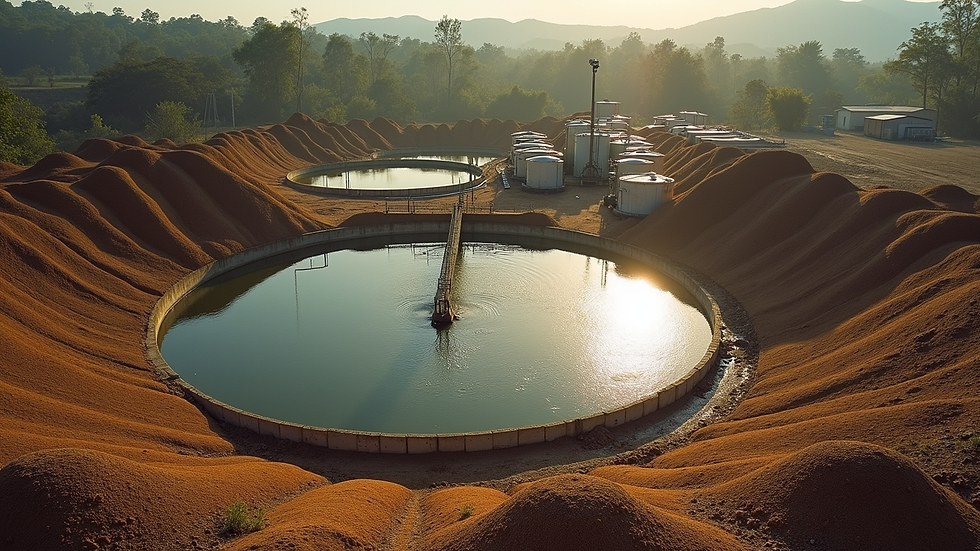
The washing process involves soaking the coir peat in fresh water and rinsing it multiple times. This helps dissolve and flush out the salts and dust particles. The water used in washing is then drained away, leaving cleaner and more balanced coir peat.
Some suppliers use advanced washing systems that recycle water and ensure consistent quality. For example, Ziraa Coir Blocks Private Limited offers washed coir peat products that meet strict quality standards. Their washing process removes excess salts while preserving the natural benefits of coir peat.
Using washed coir peat from trusted suppliers helps growers avoid problems related to salt buildup and contamination. It also supports sustainable practices by reducing waste and improving substrate lifespan.

Benefits of Using Washed Coir Peat
Washing coir peat brings several advantages that make it a preferred choice for growers and distributors:
Reduced Salt Content
Washing lowers the salt levels, preventing salt stress in plants. This is especially important for sensitive crops like vegetables and flowers.
Improved Water Retention and Drainage
Clean coir peat holds water efficiently without becoming waterlogged. It also drains well, preventing root rot.
Better Nutrient Availability
Removing excess salts allows plants to absorb nutrients more effectively. This supports healthier growth and higher yields.
Cleaner and Safer Substrate
Washing removes dust and debris, reducing the risk of disease and contamination.
Consistent Quality
Washed coir peat offers uniform texture and performance, making it easier to use in commercial growing operations.
These benefits explain why many importers and growers prefer washed coir peat over unwashed alternatives. It ensures better crop results and reduces risks during cultivation.
Comparing Washed Coir Peat Products
When choosing washed coir peat, it’s important to consider the quality and source. Not all washed coir peat is the same. Some products may still contain higher salt levels or impurities if washing is incomplete.
For example, Ziraa Coir Blocks Private Limited provides high-quality washed coir peat blocks that are carefully processed to meet international standards. Their products are tested for salt content and moisture levels, ensuring reliable performance.
Another option is to look for suppliers who offer different grades of washed coir peat, such as fine or coarse textures, depending on your crop needs. This allows growers to select the best substrate for seed starting, potting mixes, or soil conditioning.
By comparing products based on washing quality, salt levels, and texture, importers and distributors can find the best fit for their markets.
How Washed Coir Peat Supports Sustainable Agriculture
Sustainability is a growing concern in agriculture. Coir peat itself is a renewable resource, made from coconut husks that would otherwise be waste. Washing coir peat enhances its sustainability by extending its usability and reducing chemical inputs.
Using washed coir peat reduces the need for chemical fertilizers and soil amendments because it provides a balanced growing medium. It also helps conserve water by improving moisture retention.
Suppliers like Ziraa Coir Blocks Private Limited focus on eco-friendly production methods, including water recycling during washing. This reduces environmental impact and supports sustainable farming practices worldwide.
Practical Tips for Using Washed Coir Peat
To get the most out of washed coir peat, consider these tips:
Check Salt Levels
Ask your supplier for test reports on electrical conductivity (EC) to ensure low salt content.
Pre-Soak Before Use
Even washed coir peat benefits from soaking in clean water before planting to ensure uniform moisture.
Mix with Other Substrates
Combine coir peat with perlite, vermiculite, or compost to improve texture and nutrient content.
Store Properly
Keep coir peat dry and covered to prevent contamination and mold growth.
Use Suitable Grades
Choose fine coir peat for seed starting and coarse grades for potting or soil conditioning.
Following these practices helps growers maximize the benefits of washed coir peat and achieve better crop results.
Why Importers Should Choose Washed Coir Peat
For importers and distributors, offering washed coir peat means providing a higher-quality product that meets customer expectations. It reduces complaints related to poor plant growth or substrate issues.
Washed coir peat also opens opportunities in markets with strict quality standards, such as Europe and North America. These regions often require low salt content and clean substrates for commercial growing.
Partnering with reliable suppliers like Ziraa Coir Blocks Private Limited ensures consistent supply and quality. Their washed coir peat products come with certifications and testing that simplify import and distribution.
By focusing on washed coir peat, importers can build trust with growers and strengthen their market position.
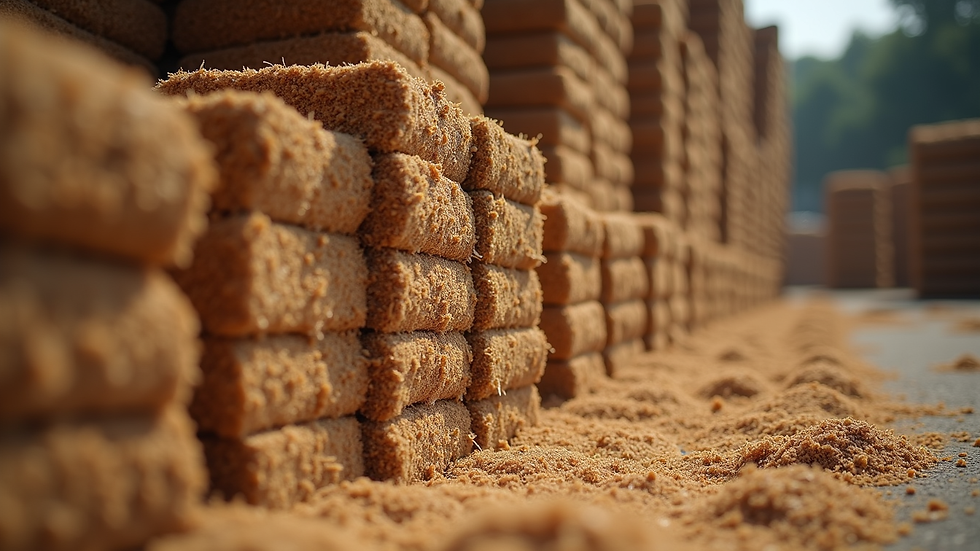
Washing coir peat is a vital step that improves the product’s quality, safety, and performance. It removes harmful salts and impurities, making coir peat a reliable growing medium for a wide range of crops. Choosing washed coir peat supports sustainable agriculture and meets the demands of international markets.
If you want to explore high-quality washed coir peat options, consider products from Ziraa Coir Blocks Private Limited. Their commitment to quality and eco-friendly processes makes them a trusted partner for growers and importers worldwide.
Using washed coir peat is a smart choice that leads to healthier plants, better yields, and a cleaner environment. It’s a simple step with big benefits for anyone involved in growing or distributing agricultural substrates.


Comments