
The Guide to Bulk Coco Peat Blocks
- May 4
- 4 min read
Coco peat blocks have become a staple in modern agriculture and horticulture. Their versatility, sustainability, and efficiency make them an excellent choice for growers and distributors worldwide. In this guide, I will walk you through everything you need to know about bulk coco peat blocks, from their benefits to practical tips on sourcing and usage. Whether you are importing, growing, or distributing, this information will help you make informed decisions and optimize your operations.
Understanding Bulk Coco Peat Blocks
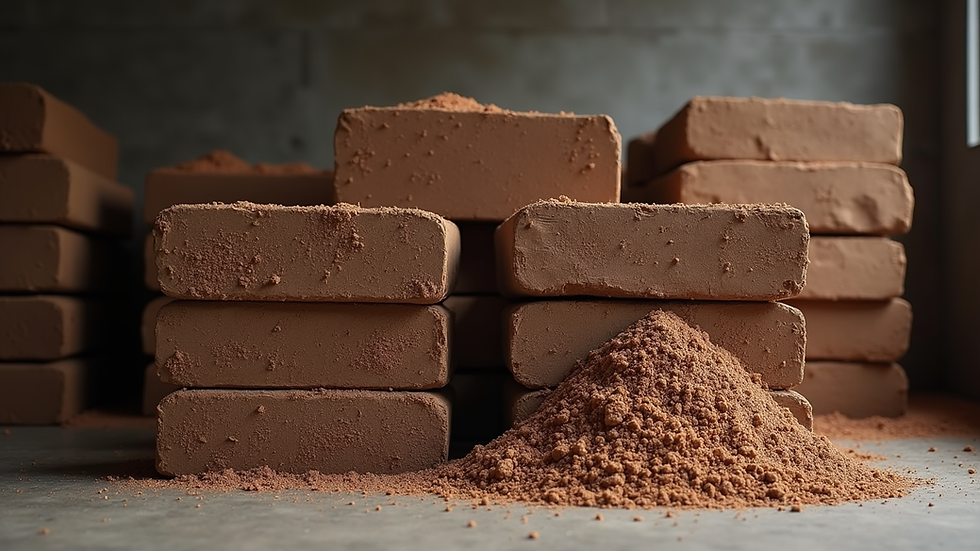
Bulk coco peat blocks are compressed forms of coconut coir, a natural fiber extracted from the outer husk of coconuts. When hydrated, these blocks expand into a loose, soil-like medium that is ideal for plant growth. The blocks are lightweight, easy to transport, and eco-friendly, making them a popular choice for sustainable agriculture.
The key advantages of using bulk coco peat blocks include:
Excellent water retention: Coco peat can hold up to 8-9 times its weight in water, ensuring plants receive consistent moisture.
Good aeration: The fibrous structure allows roots to breathe, promoting healthy growth.
pH neutral: It typically has a pH between 5.5 and 6.8, suitable for most plants.
Renewable resource: Made from coconut husks, it is biodegradable and sustainable.
These qualities make bulk coco peat blocks a superior alternative to traditional soil or peat moss.

Why Choose Bulk Coco Peat Blocks for Your Business
When sourcing growing media, buying in bulk offers several benefits. Bulk coco peat blocks provide cost savings, consistent quality, and ease of storage. For international importers and distributors, these blocks reduce shipping volume and weight, lowering freight costs.
Here are some practical reasons to consider bulk coco peat blocks:
Cost Efficiency: Purchasing in bulk reduces the price per unit, improving your profit margins.
Space Saving: The compressed blocks take up less space during transport and storage.
Consistency: Bulk orders ensure uniform quality, which is crucial for growers who rely on predictable substrate performance.
Sustainability: Using a renewable and biodegradable product aligns with global trends toward eco-friendly agriculture.
For growers, bulk coco peat blocks offer a reliable growing medium that supports healthy root development and reduces the need for frequent watering.
How to Properly Hydrate and Use Bulk Coco Peat Blocks
Using bulk coco peat blocks correctly is essential to maximize their benefits. The blocks arrive dry and compressed, so they need to be rehydrated before use. Here’s a simple step-by-step guide:
Prepare Water: Use clean water at room temperature. The amount depends on the block size, but generally, one block requires 5-7 liters of water.
Soak the Block: Place the block in a large container and pour water over it. Allow it to absorb water for 15-30 minutes.
Break Apart the Block: Once expanded, gently break the block into loose coco peat using your hands or a tool.
Drain Excess Water: If the medium feels too wet, let it drain to achieve the right moisture level.
Use as Growing Medium: Mix with other substrates if needed or use alone for seed starting, potting, or hydroponics.
Proper hydration ensures the coco peat is fluffy and aerated, providing an ideal environment for roots.
Tips for Sourcing Quality Bulk Coco Peat Blocks
Finding a reliable supplier is crucial for maintaining product quality and consistency. Here are some tips to help you source the best bulk coco peat blocks:
Check for Certifications: Look for suppliers with certifications for quality and sustainability.
Request Samples: Test samples before placing large orders to ensure the product meets your standards.
Verify Processing Methods: Good suppliers use proper washing and drying techniques to remove salts and impurities.
Assess Packaging: Blocks should be tightly compressed and well-packaged to prevent damage during shipping.
Consider Supplier Reputation: Choose suppliers with positive reviews and a track record of timely delivery.
By following these guidelines, you can secure high-quality coco peat blocks that support your business goals.
The Environmental Impact and Sustainability of Coco Peat
Sustainability is a growing concern in agriculture, and coco peat blocks offer a greener alternative to peat moss and synthetic substrates. Since coco peat is made from coconut husks, a byproduct of the coconut industry, it helps reduce waste and promotes circular economy principles.
Some environmental benefits include:
Renewable Resource: Coconut trees produce husks annually, making coco peat a sustainable option.
Biodegradable: Coco peat breaks down naturally, reducing landfill waste.
Reduced Peat Moss Use: Peat moss harvesting damages peatlands, which are vital carbon sinks. Coco peat helps preserve these ecosystems.
Lower Carbon Footprint: Lightweight blocks reduce transportation emissions compared to heavier soil products.
Choosing bulk coco peat blocks supports eco-friendly practices and aligns with global efforts to promote sustainable agriculture.
Final Thoughts on Bulk Coco Peat Blocks
Bulk coco peat blocks are a practical, sustainable, and cost-effective growing medium. Their excellent water retention, aeration, and neutral pH make them suitable for a wide range of crops and growing systems. By sourcing quality blocks and using them properly, you can enhance plant health and streamline your operations.
For those looking to expand their supply chain or improve substrate options, exploring wholesale coco peat blocks is a smart move. This approach not only benefits your business but also contributes to a more sustainable agricultural future.


Comments